
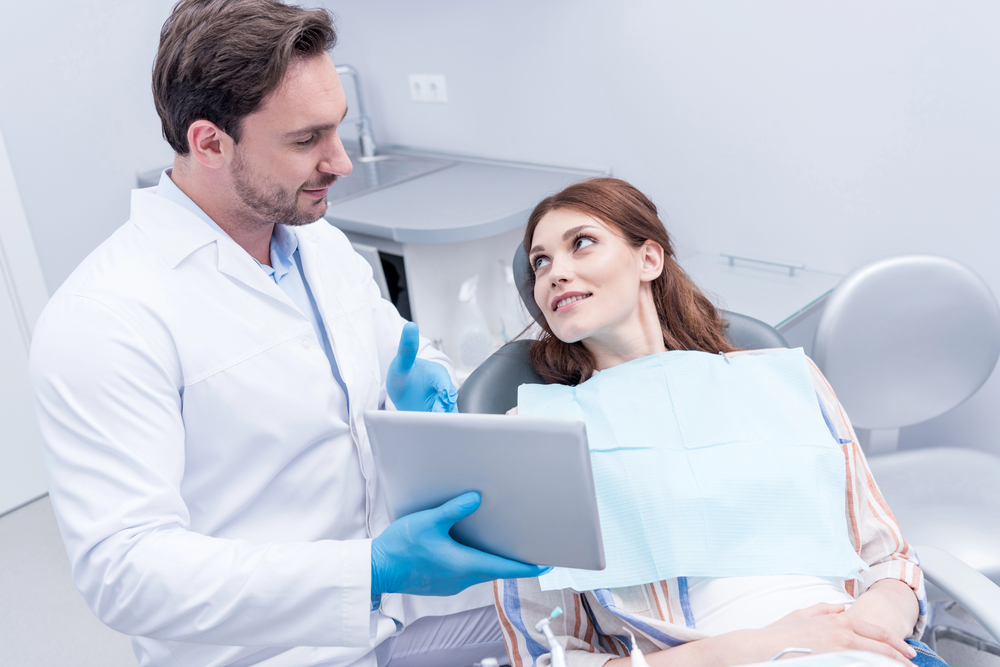
Oral Health Trends

The 2026 Outlook: Oral Health Trends for the Modern Tech Australian Entrepreneur

The demands of building and scaling a tech business in today’s hyper‑connected world can take a toll in ways founders rarely anticipate — including on oral health. Long hours, frequent travel, networking dinners, and high‑stress environments often lead entrepreneurs to prioritize product sprints and investor meetings over regular dental care. Yet emerging trends in 2026 show that top executives are beginning to recognize oral health as a core component of overall wellness and professional confidence. A healthy smile supports everything from clear virtual presentations to lasting interpersonal impressions — and as busy calendars fill out, intentional dental routines and preventive strategies are proving indispensable for sustained performance.

For Australian tech founders, especially those balancing rigorous work schedules with community ties, finding quality care that fits into a hectic life is essential. Establishing a relationship with trusted dentists near Sunbury area can provide that reassurance. Local professionals are increasingly offering flexible scheduling, cutting‑edge diagnostics, and personalized care plans that fit the entrepreneurial lifestyle. This trend reflects a broader industry shift: dentistry is no longer reactive and appointment‑driven but integrated with digital tools that help individuals take control of their oral well‑being.

Digital Tools and Preventive Care

One of the most significant trends reshaping oral health in 2026 is the integration of digital tools that promote preventive care. Smart toothbrushes with embedded sensors and AI feedback systems are helping users optimize brushing habits in real time. These devices track pressure, angle, and duration and sync with mobile apps that deliver personalized insights — a natural fit for founders accustomed to monitoring performance metrics in every other area of their lives.

Tele‑dentistry has also matured beyond pandemic‑era convenience to become a core part of patient care. Entrepreneurs can now schedule virtual consultations for quick check‑ins, follow‑up assessments after procedures, or initial screenings before committing to in‑clinic visits. This hybrid care model reduces time away from work while maintaining continuity of care — an essential adaptation for those constantly on the go.

Understanding Lifestyle Risk Factors

Tech entrepreneurs often encounter lifestyle patterns linked to oral health challenges. Irregular sleep schedules, high caffeine consumption, stress‑related teeth grinding (bruxism), and grazing on high‑sugar snacks during long work sessions all contribute to enamel wear, gum inflammation, and increased decay risk. Recognizing and addressing these factors is now part of holistic health coaching offered by many dental practices.

For example, dentists and hygienists are collaborating with nutritionists and wellness professionals to create tailored plans that reinforce oral health through lifestyle adjustments. These may include recommendations for stress management, hydration habits that support saliva production (a natural defense against bacteria), and dietary modifications that reduce acid exposure. Such interdisciplinary care reflects a more nuanced understanding of how daily routines influence dental outcomes.

Personalized and Precision Dentistry

Advancements in diagnostics are enabling a level of personalization once seen only in high‑end medical care. Saliva tests, genomic analyses, and oral microbiome profiling are now being used to determine individual susceptibility to cavities, gum disease, and other conditions. Armed with this data, dentists can design targeted prevention plans — from custom fluoride treatments to probiotic regimens that support a balanced oral ecosystem.

Digital imaging and 3D scanning have also streamlined everything from crowns to orthodontics. Patients can see precise renderings of expected outcomes before treatments begin, enhancing decision‑making and satisfaction. These technologies help reduce guesswork and shorten treatment times — advantages that resonate with busy professionals who value efficiency.

Cosmetic and Functional Enhancements

any entrepreneurs are also seeking cosmetic enhancements that complement their professional image. With remote work and video calls dominating communication, a bright, aligned smile can enhance perception in digital interactions. Whitening treatments, veneers, and discreet aligners are more accessible and less invasive than ever before, thanks to digital planning and improved materials.

At the same time, the landscape of restorative dentistry is evolving rapidly. For individuals facing tooth loss, innovations are delivering outcomes that are both aesthetically pleasing and durable. Indeed, the tooth replacement has entered a new era as modern materials and implant technologies offer more natural feel and function than traditional prosthetics. This shift is especially meaningful for professionals who want solutions that support both health and confidence without extensive downtime.

Integrating Dental Wellness into Daily Routines

For entrepreneurs balancing multiple responsibilities, sustainability is everything. Developing consistent oral hygiene habits — like two‑minute brushing with fluoride toothpaste, daily interdental cleaning, and regular professional check‑ups — pays dividends over time. Wearable reminders and health app integrations can help keep these routines on track even during peak work cycles.

Practices near Sunbury and other regional hubs are responding by offering extended hours, weekend appointments, and digital booking platforms. Some clinics even provide proactive reminders and tailored health plans that reflect each patient’s unique needs and risk profile. These patient‑centric approaches reduce barriers to care and encourage long‑term engagement.

The Broader Health Connection

Oral health is increasingly recognized as a window into systemic wellness. Research continues to illuminate links between gum disease and conditions like cardiovascular disease, diabetes, and chronic inflammation. For entrepreneurs invested in optimizing every dimension of health, staying ahead of oral issues can contribute to broader resilience and well‑being.

Integrating dental data into overall health dashboards — especially for those already tracking sleep, activity, and nutrition — allows for more comprehensive insights. With this holistic view, founders can anticipate health challenges before they escalate and adjust routines in ways that sustain performance in both personal and professional realms.

Embracing a Future‑Forward Oral Health Mindset

As we move through 2026, the narrative around oral health for tech entrepreneurs is shifting from reactive to proactive, from isolated to integrated. By leveraging digital innovations, personalized care strategies, and flexible service models, professionals can ensure that their dental health supports — rather than competes with — their entrepreneurial goals. These trends point toward a future where oral wellness is seamlessly woven into the fabric of modern professional life, helping leaders smile with confidence as they innovate and grow.
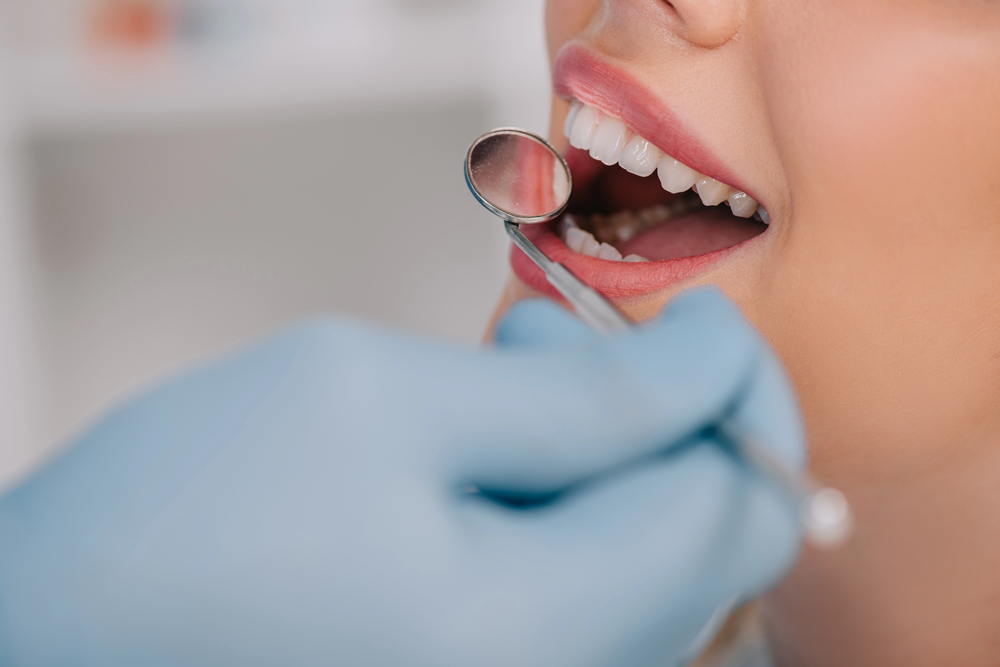
Oral Care

Oral Care in 2026: How Tech-Driven Clinics in Australia Enhance Patient Outcomes

In recent years, dental care in Australia has undergone a profound transformation as clinics adopt cutting-edge technologies that elevate both preventive and restorative treatment. Patients today are benefiting from a blend of innovative digital tools, patient-centric service models, and enhanced treatment protocols designed to improve comfort, accuracy, and long-term oral health. Central to this evolution is a shift in focus toward individualized care that anticipates patient needs, streamlines clinical workflows, and supports earlier intervention. This has not only made dental visits more effective but has also redefined expectations about what modern oral care should deliver.

At the heart of this transformation is the integration of advanced diagnostics. High-resolution imaging systems, such as intraoral scanners and 3D cone-beam computed tomography (CBCT), are becoming standard in progressive practices. These technologies allow clinicians to visualize the intricate structures of the teeth, jaw, and facial bones with a level of detail that was previously unattainable. As a result, practitioners can detect issues like early-stage decay, periodontal bone loss, and impacted teeth far sooner, enabling more conservative and targeted treatment plans.

Equally important is the adoption of digital workflows that enhance treatment precision and patient experience. Computer-aided design and manufacturing (CAD/CAM) systems have revolutionized prosthodontics and orthodontics by enabling same-day crowns, bridges, and aligners. Patients no longer face prolonged waits for lab-fabricated restorations; instead, custom restorations can be designed and milled chairside with exceptional fit and aesthetics. This not only improves convenience but also reduces the margin for error inherent in traditional impression and lab-dependent processes.

The implementation of artificial intelligence (AI) tools in dental diagnostics and planning has further redefined clinical decision-making. AI algorithms can analyze imaging data to identify patterns that may be difficult for the human eye to discern, assisting dentists in diagnosing caries, assessing bone density, or planning implant placements with greater confidence. By augmenting clinical insight, AI helps minimize diagnostic uncertainty and supports more precise, personalized treatment strategies.

However, technology is only as effective as the philosophy guiding its use. In Australia’s most forward-thinking practices, there is an emphasis on a patient-first approach from dentists in Sunbury that prioritizes education, empathy, and active collaboration. This model shifts the narrative from simply “fixing teeth” to empowering patients with knowledge about their oral health and involving them in decisions about their care. Patients are engaged through digital visualizations of treatment options, real-time demonstrations during procedures, and transparent communication about risks and benefits. This education-forward strategy not only alleviates anxiety but also encourages long-term compliance with preventive routines.

Digital communication platforms further enhance the patient journey by facilitating seamless scheduling, reminders, and follow-ups. Telehealth consultations have expanded access to specialist input, especially for rural or mobility-limited patients, allowing preliminary assessments or treatment discussions to take place without an initial in-office visit. This convenience aligns with growing patient expectations for flexible, technology-enabled healthcare interactions.

Personalization extends beyond clinical diagnostics. Practices are also embracing data analytics to monitor treatment outcomes at a population level, identifying trends in patient responses and refining protocols to improve effectiveness. For instance, patient feedback, clinical outcomes, and follow-up data are aggregated and analyzed to tailor preventive recommendations, optimize recall intervals, and refine educational content. By marrying clinical expertise with real-world performance metrics, clinics can continuously enhance the quality of care they deliver.

Another game-changing area is pain management and patient comfort. Technological advancements such as computer-controlled local anesthetic delivery systems and minimally invasive laser therapies have significantly reduced the discomfort associated with many dental procedures. Especially for patients with dental anxiety, these innovations can transform the treatment experience and foster greater trust in the dental setting.

The field of restorative dentistry has arguably benefited the most from technological innovations. Digital smile design software enables dentists to model outcomes and allow patients to “preview” their new smile before treatment begins. When combined with precise scanning and milling technologies, this results in restorations that are not just functional but also highly aesthetic and tailored to an individual’s unique facial characteristics.

Looking ahead, implant dentistry and prosthetic replacements are entering an exciting phase. Guided implant surgery, powered by digital planning and 3D printing, enhances accuracy and reduces surgical time, benefiting both patient safety and recovery. Enhanced biomaterials are improving the durability and integration of implants, while digital dentures and hybrid prostheses are offering more predictable function and comfort for patients who have lost teeth. For individuals exploring options for replacing missing teeth, innovations such as a new era for replacing lost teeth underscore how modern techniques are reshaping expectations for comfort, aesthetics, and long-term stability.

Preventive care, too, has been elevated through digital risk assessments and monitoring tools. Salivary diagnostics, for example, can provide insight into bacterial profiles and disease risk, allowing clinicians to tailor home care regimens and professional interventions more precisely. Coupled with mobile health apps that remind patients about brushing technique, flossing routines, and appointment schedules, these technologies reinforce healthy habits outside the clinic.

In this dynamic landscape, Australian dental clinics are redefining oral care through a blend of innovation, compassion, and patient empowerment. By harnessing technological advancements to support personalized, data-informed care pathways, they are delivering clinical outcomes that are more predictable, efficient, and aligned with patient expectations. As these trends continue to evolve, the focus remains steadfastly on enhancing both the quality and the experience of oral health care across the patient journey.

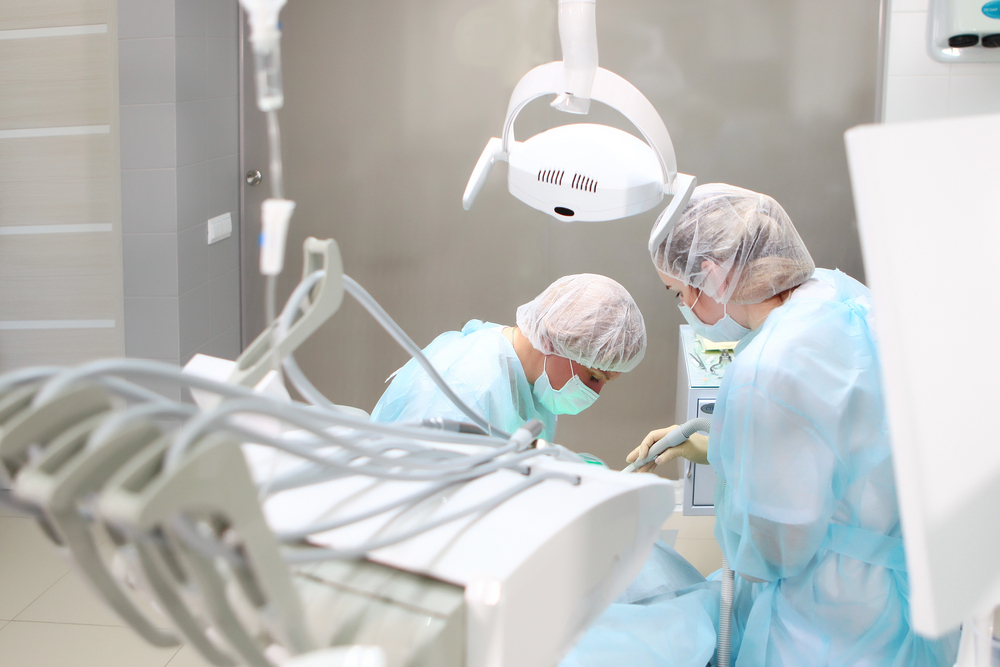
sleep dentistry

Why Sleep Dentistry Is the Highest ROI Service for Growth-Minded Practices

Dental practices looking to scale revenue without burning out staff or flooding the schedule with low-margin procedures are increasingly turning to sleep dentistry. It’s not just a patient comfort upgrade—it’s a strategic growth lever. When positioned and delivered correctly, sleep dentistry drives higher case acceptance, attracts premium patients, and differentiates a practice in an increasingly competitive market.

Here’s why sleep dentistry consistently delivers one of the strongest returns on investment for practices focused on sustainable growth.

It Solves a Massive, Underserved Pain Point

Dental anxiety is far more common than many practices realize. Studies consistently show that a significant portion of adults delay or avoid dental care due to fear, past trauma, or sensitivity to pain. These patients don’t just skip cleanings—they often defer complex, high-value treatments entirely.

Sleep dentistry removes that barrier. By offering sedation-assisted care, practices open the door to patients who otherwise wouldn’t walk through it. That’s not incremental growth—that’s unlocking an entirely new patient segment that already needs extensive treatment.

Higher Case Acceptance, Faster

One of the biggest ROI drivers of sleep dentistry is its impact on treatment acceptance. Patients who are anxious are more likely to say “I’ll think about it” or decline multi-visit treatment plans. When sedation is available, the psychological hurdle drops dramatically.

Patients are more willing to proceed with comprehensive treatment when they know they can be comfortable, relaxed, or asleep during the process. That often translates into larger case sizes, fewer objections, and faster decisions—meaning less time spent on follow-ups and re-presentations.

Fewer Appointments, More Revenue Per Hour

Sleep dentistry allows clinicians to complete more work in fewer visits. Instead of spreading treatment over multiple short appointments, practices can consolidate procedures into longer, more productive sessions.

From a business perspective, this is gold. Chair time becomes more efficient, production per hour increases, and scheduling becomes cleaner. You’re not just doing more dentistry—you’re doing it smarter.

This efficiency also reduces operational friction. Fewer appointments mean fewer check-ins, less admin work, and a smoother patient flow for the entire team.

Premium Positioning Without Competing on Price
Practices offering sleep dentistry are rarely compared on price alone. Sedation-assisted care positions your clinic as a premium, patient-first solution rather than a commodity provider.

When marketed correctly, sleep dentistry isn’t framed as an “extra”—it’s framed as peace of mind. That shifts conversations away from discounts and toward value, comfort, and trust. Many patients are not only willing but happy to pay more for a stress-free experience.

For patients actively searching for a trusted choice for sedation-assisted care, sleep dentistry, clinics that clearly communicate safety, expertise, and patient experience stand out immediately.

Strong Differentiation in Local Markets

In many regions, sleep dentistry is still underutilized or poorly explained. That creates an opportunity for practices to dominate a niche rather than compete in a crowded general dentistry space.

When patients search for solutions to dental anxiety, they’re not looking for “another dentist.” They’re looking for reassurance, control, and comfort. Practices that lead with sleep dentistry messaging often become the default referral option—for patients, families, and even other clinics.

This differentiation also supports word-of-mouth growth. Patients who previously avoided dental care tend to become vocal advocates once they’ve had a positive, stress-free experience.

Long-Term Patient Lifetime Value

Patients who overcome dental anxiety through sleep dentistry don’t just come once—they tend to stay. Once trust is established, ongoing care becomes easier, more consistent, and more profitable over time.

These patients are also more likely to accept preventative and cosmetic treatments in the future, increasing lifetime value without additional acquisition costs. That’s the kind of compounding return growth-minded practices look for.

Marketing Sleep Dentistry the Smart Way

Offering sleep dentistry alone isn’t enough—it has to be communicated clearly, ethically, and strategically. Educational content, patient-friendly language, and reassurance around safety and eligibility are critical to converting interest into bookings.

This is where having the right marketing partner matters. Practices that work with experienced digital marketing specialists can position sleep dentistry as a core growth service, not a hidden add-on—driving qualified leads rather than casual inquiries.

For practices focused on efficiency, differentiation, and long-term profitability, sleep dentistry isn’t just a clinical upgrade—it’s a high-ROI growth engine hiding in plain sight.