Oral Health Trends

The 2026 Outlook: Oral Health Trends for the Modern Tech Australian Entrepreneur

The demands of building and scaling a tech business in today’s hyper‑connected world can take a toll in ways founders rarely anticipate — including on oral health. Long hours, frequent travel, networking dinners, and high‑stress environments often lead entrepreneurs to prioritize product sprints and investor meetings over regular dental care. Yet emerging trends in 2026 show that top executives are beginning to recognize oral health as a core component of overall wellness and professional confidence. A healthy smile supports everything from clear virtual presentations to lasting interpersonal impressions — and as busy calendars fill out, intentional dental routines and preventive strategies are proving indispensable for sustained performance.

For Australian tech founders, especially those balancing rigorous work schedules with community ties, finding quality care that fits into a hectic life is essential. Establishing a relationship with trusted dentists near Sunbury area can provide that reassurance. Local professionals are increasingly offering flexible scheduling, cutting‑edge diagnostics, and personalized care plans that fit the entrepreneurial lifestyle. This trend reflects a broader industry shift: dentistry is no longer reactive and appointment‑driven but integrated with digital tools that help individuals take control of their oral well‑being.

Digital Tools and Preventive Care

One of the most significant trends reshaping oral health in 2026 is the integration of digital tools that promote preventive care. Smart toothbrushes with embedded sensors and AI feedback systems are helping users optimize brushing habits in real time. These devices track pressure, angle, and duration and sync with mobile apps that deliver personalized insights — a natural fit for founders accustomed to monitoring performance metrics in every other area of their lives.

Tele‑dentistry has also matured beyond pandemic‑era convenience to become a core part of patient care. Entrepreneurs can now schedule virtual consultations for quick check‑ins, follow‑up assessments after procedures, or initial screenings before committing to in‑clinic visits. This hybrid care model reduces time away from work while maintaining continuity of care — an essential adaptation for those constantly on the go.

Understanding Lifestyle Risk Factors

Tech entrepreneurs often encounter lifestyle patterns linked to oral health challenges. Irregular sleep schedules, high caffeine consumption, stress‑related teeth grinding (bruxism), and grazing on high‑sugar snacks during long work sessions all contribute to enamel wear, gum inflammation, and increased decay risk. Recognizing and addressing these factors is now part of holistic health coaching offered by many dental practices.

For example, dentists and hygienists are collaborating with nutritionists and wellness professionals to create tailored plans that reinforce oral health through lifestyle adjustments. These may include recommendations for stress management, hydration habits that support saliva production (a natural defense against bacteria), and dietary modifications that reduce acid exposure. Such interdisciplinary care reflects a more nuanced understanding of how daily routines influence dental outcomes.

Personalized and Precision Dentistry

Advancements in diagnostics are enabling a level of personalization once seen only in high‑end medical care. Saliva tests, genomic analyses, and oral microbiome profiling are now being used to determine individual susceptibility to cavities, gum disease, and other conditions. Armed with this data, dentists can design targeted prevention plans — from custom fluoride treatments to probiotic regimens that support a balanced oral ecosystem.

Digital imaging and 3D scanning have also streamlined everything from crowns to orthodontics. Patients can see precise renderings of expected outcomes before treatments begin, enhancing decision‑making and satisfaction. These technologies help reduce guesswork and shorten treatment times — advantages that resonate with busy professionals who value efficiency.

Cosmetic and Functional Enhancements

any entrepreneurs are also seeking cosmetic enhancements that complement their professional image. With remote work and video calls dominating communication, a bright, aligned smile can enhance perception in digital interactions. Whitening treatments, veneers, and discreet aligners are more accessible and less invasive than ever before, thanks to digital planning and improved materials.

At the same time, the landscape of restorative dentistry is evolving rapidly. For individuals facing tooth loss, innovations are delivering outcomes that are both aesthetically pleasing and durable. Indeed, the tooth replacement has entered a new era as modern materials and implant technologies offer more natural feel and function than traditional prosthetics. This shift is especially meaningful for professionals who want solutions that support both health and confidence without extensive downtime.

Integrating Dental Wellness into Daily Routines

For entrepreneurs balancing multiple responsibilities, sustainability is everything. Developing consistent oral hygiene habits — like two‑minute brushing with fluoride toothpaste, daily interdental cleaning, and regular professional check‑ups — pays dividends over time. Wearable reminders and health app integrations can help keep these routines on track even during peak work cycles.

Practices near Sunbury and other regional hubs are responding by offering extended hours, weekend appointments, and digital booking platforms. Some clinics even provide proactive reminders and tailored health plans that reflect each patient’s unique needs and risk profile. These patient‑centric approaches reduce barriers to care and encourage long‑term engagement.

The Broader Health Connection

Oral health is increasingly recognized as a window into systemic wellness. Research continues to illuminate links between gum disease and conditions like cardiovascular disease, diabetes, and chronic inflammation. For entrepreneurs invested in optimizing every dimension of health, staying ahead of oral issues can contribute to broader resilience and well‑being.

Integrating dental data into overall health dashboards — especially for those already tracking sleep, activity, and nutrition — allows for more comprehensive insights. With this holistic view, founders can anticipate health challenges before they escalate and adjust routines in ways that sustain performance in both personal and professional realms.

Embracing a Future‑Forward Oral Health Mindset

As we move through 2026, the narrative around oral health for tech entrepreneurs is shifting from reactive to proactive, from isolated to integrated. By leveraging digital innovations, personalized care strategies, and flexible service models, professionals can ensure that their dental health supports — rather than competes with — their entrepreneurial goals. These trends point toward a future where oral wellness is seamlessly woven into the fabric of modern professional life, helping leaders smile with confidence as they innovate and grow.
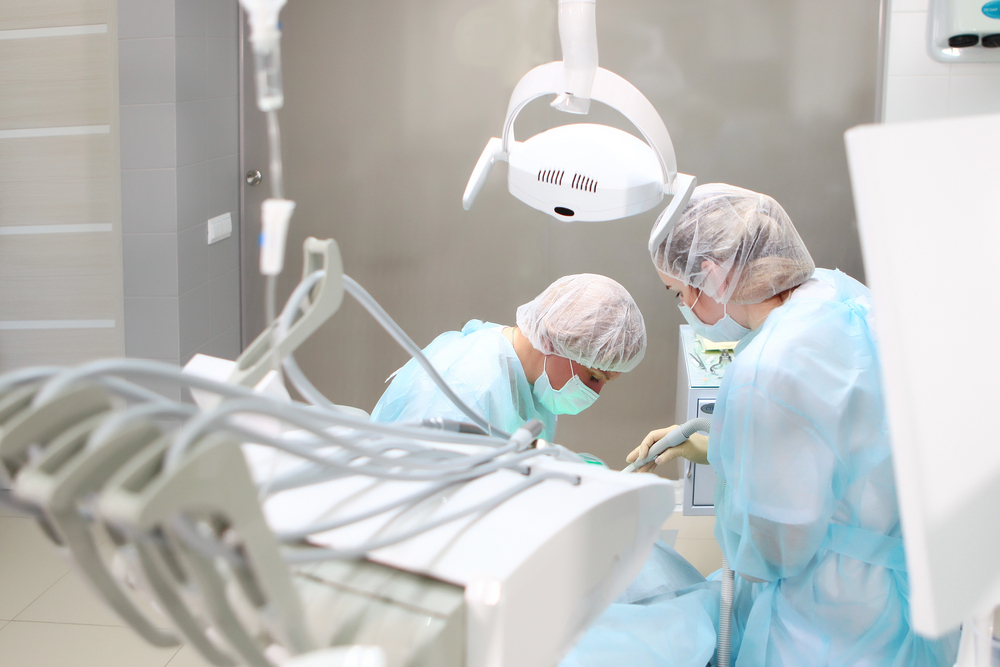
Oral Care

Oral Care in 2026: How Tech-Driven Clinics in Australia Enhance Patient Outcomes

In recent years, dental care in Australia has undergone a profound transformation as clinics adopt cutting-edge technologies that elevate both preventive and restorative treatment. Patients today are benefiting from a blend of innovative digital tools, patient-centric service models, and enhanced treatment protocols designed to improve comfort, accuracy, and long-term oral health. Central to this evolution is a shift in focus toward individualized care that anticipates patient needs, streamlines clinical workflows, and supports earlier intervention. This has not only made dental visits more effective but has also redefined expectations about what modern oral care should deliver.

At the heart of this transformation is the integration of advanced diagnostics. High-resolution imaging systems, such as intraoral scanners and 3D cone-beam computed tomography (CBCT), are becoming standard in progressive practices. These technologies allow clinicians to visualize the intricate structures of the teeth, jaw, and facial bones with a level of detail that was previously unattainable. As a result, practitioners can detect issues like early-stage decay, periodontal bone loss, and impacted teeth far sooner, enabling more conservative and targeted treatment plans.

Equally important is the adoption of digital workflows that enhance treatment precision and patient experience. Computer-aided design and manufacturing (CAD/CAM) systems have revolutionized prosthodontics and orthodontics by enabling same-day crowns, bridges, and aligners. Patients no longer face prolonged waits for lab-fabricated restorations; instead, custom restorations can be designed and milled chairside with exceptional fit and aesthetics. This not only improves convenience but also reduces the margin for error inherent in traditional impression and lab-dependent processes.

The implementation of artificial intelligence (AI) tools in dental diagnostics and planning has further redefined clinical decision-making. AI algorithms can analyze imaging data to identify patterns that may be difficult for the human eye to discern, assisting dentists in diagnosing caries, assessing bone density, or planning implant placements with greater confidence. By augmenting clinical insight, AI helps minimize diagnostic uncertainty and supports more precise, personalized treatment strategies.

However, technology is only as effective as the philosophy guiding its use. In Australia’s most forward-thinking practices, there is an emphasis on a patient-first approach from dentists in Sunbury that prioritizes education, empathy, and active collaboration. This model shifts the narrative from simply “fixing teeth” to empowering patients with knowledge about their oral health and involving them in decisions about their care. Patients are engaged through digital visualizations of treatment options, real-time demonstrations during procedures, and transparent communication about risks and benefits. This education-forward strategy not only alleviates anxiety but also encourages long-term compliance with preventive routines.

Digital communication platforms further enhance the patient journey by facilitating seamless scheduling, reminders, and follow-ups. Telehealth consultations have expanded access to specialist input, especially for rural or mobility-limited patients, allowing preliminary assessments or treatment discussions to take place without an initial in-office visit. This convenience aligns with growing patient expectations for flexible, technology-enabled healthcare interactions.

Personalization extends beyond clinical diagnostics. Practices are also embracing data analytics to monitor treatment outcomes at a population level, identifying trends in patient responses and refining protocols to improve effectiveness. For instance, patient feedback, clinical outcomes, and follow-up data are aggregated and analyzed to tailor preventive recommendations, optimize recall intervals, and refine educational content. By marrying clinical expertise with real-world performance metrics, clinics can continuously enhance the quality of care they deliver.

Another game-changing area is pain management and patient comfort. Technological advancements such as computer-controlled local anesthetic delivery systems and minimally invasive laser therapies have significantly reduced the discomfort associated with many dental procedures. Especially for patients with dental anxiety, these innovations can transform the treatment experience and foster greater trust in the dental setting.

The field of restorative dentistry has arguably benefited the most from technological innovations. Digital smile design software enables dentists to model outcomes and allow patients to “preview” their new smile before treatment begins. When combined with precise scanning and milling technologies, this results in restorations that are not just functional but also highly aesthetic and tailored to an individual’s unique facial characteristics.

Looking ahead, implant dentistry and prosthetic replacements are entering an exciting phase. Guided implant surgery, powered by digital planning and 3D printing, enhances accuracy and reduces surgical time, benefiting both patient safety and recovery. Enhanced biomaterials are improving the durability and integration of implants, while digital dentures and hybrid prostheses are offering more predictable function and comfort for patients who have lost teeth. For individuals exploring options for replacing missing teeth, innovations such as a new era for replacing lost teeth underscore how modern techniques are reshaping expectations for comfort, aesthetics, and long-term stability.

Preventive care, too, has been elevated through digital risk assessments and monitoring tools. Salivary diagnostics, for example, can provide insight into bacterial profiles and disease risk, allowing clinicians to tailor home care regimens and professional interventions more precisely. Coupled with mobile health apps that remind patients about brushing technique, flossing routines, and appointment schedules, these technologies reinforce healthy habits outside the clinic.

In this dynamic landscape, Australian dental clinics are redefining oral care through a blend of innovation, compassion, and patient empowerment. By harnessing technological advancements to support personalized, data-informed care pathways, they are delivering clinical outcomes that are more predictable, efficient, and aligned with patient expectations. As these trends continue to evolve, the focus remains steadfastly on enhancing both the quality and the experience of oral health care across the patient journey.

sleep dentistry

Why Sleep Dentistry Is the Highest ROI Service for Growth-Minded Practices

Dental practices looking to scale revenue without burning out staff or flooding the schedule with low-margin procedures are increasingly turning to sleep dentistry. It’s not just a patient comfort upgrade—it’s a strategic growth lever. When positioned and delivered correctly, sleep dentistry drives higher case acceptance, attracts premium patients, and differentiates a practice in an increasingly competitive market.

Here’s why sleep dentistry consistently delivers one of the strongest returns on investment for practices focused on sustainable growth.

It Solves a Massive, Underserved Pain Point

Dental anxiety is far more common than many practices realize. Studies consistently show that a significant portion of adults delay or avoid dental care due to fear, past trauma, or sensitivity to pain. These patients don’t just skip cleanings—they often defer complex, high-value treatments entirely.

Sleep dentistry removes that barrier. By offering sedation-assisted care, practices open the door to patients who otherwise wouldn’t walk through it. That’s not incremental growth—that’s unlocking an entirely new patient segment that already needs extensive treatment.

Higher Case Acceptance, Faster

One of the biggest ROI drivers of sleep dentistry is its impact on treatment acceptance. Patients who are anxious are more likely to say “I’ll think about it” or decline multi-visit treatment plans. When sedation is available, the psychological hurdle drops dramatically.

Patients are more willing to proceed with comprehensive treatment when they know they can be comfortable, relaxed, or asleep during the process. That often translates into larger case sizes, fewer objections, and faster decisions—meaning less time spent on follow-ups and re-presentations.

Fewer Appointments, More Revenue Per Hour

Sleep dentistry allows clinicians to complete more work in fewer visits. Instead of spreading treatment over multiple short appointments, practices can consolidate procedures into longer, more productive sessions.

From a business perspective, this is gold. Chair time becomes more efficient, production per hour increases, and scheduling becomes cleaner. You’re not just doing more dentistry—you’re doing it smarter.

This efficiency also reduces operational friction. Fewer appointments mean fewer check-ins, less admin work, and a smoother patient flow for the entire team.

Premium Positioning Without Competing on Price
Practices offering sleep dentistry are rarely compared on price alone. Sedation-assisted care positions your clinic as a premium, patient-first solution rather than a commodity provider.

When marketed correctly, sleep dentistry isn’t framed as an “extra”—it’s framed as peace of mind. That shifts conversations away from discounts and toward value, comfort, and trust. Many patients are not only willing but happy to pay more for a stress-free experience.

For patients actively searching for a trusted choice for sedation-assisted care, sleep dentistry, clinics that clearly communicate safety, expertise, and patient experience stand out immediately.

Strong Differentiation in Local Markets

In many regions, sleep dentistry is still underutilized or poorly explained. That creates an opportunity for practices to dominate a niche rather than compete in a crowded general dentistry space.

When patients search for solutions to dental anxiety, they’re not looking for “another dentist.” They’re looking for reassurance, control, and comfort. Practices that lead with sleep dentistry messaging often become the default referral option—for patients, families, and even other clinics.

This differentiation also supports word-of-mouth growth. Patients who previously avoided dental care tend to become vocal advocates once they’ve had a positive, stress-free experience.

Long-Term Patient Lifetime Value

Patients who overcome dental anxiety through sleep dentistry don’t just come once—they tend to stay. Once trust is established, ongoing care becomes easier, more consistent, and more profitable over time.

These patients are also more likely to accept preventative and cosmetic treatments in the future, increasing lifetime value without additional acquisition costs. That’s the kind of compounding return growth-minded practices look for.

Marketing Sleep Dentistry the Smart Way

Offering sleep dentistry alone isn’t enough—it has to be communicated clearly, ethically, and strategically. Educational content, patient-friendly language, and reassurance around safety and eligibility are critical to converting interest into bookings.

This is where having the right marketing partner matters. Practices that work with experienced digital marketing specialists can position sleep dentistry as a core growth service, not a hidden add-on—driving qualified leads rather than casual inquiries.

For practices focused on efficiency, differentiation, and long-term profitability, sleep dentistry isn’t just a clinical upgrade—it’s a high-ROI growth engine hiding in plain sight.

TMJ disorders

TMJ Disorders Explained: Symptoms, Causes & Treatments

Temporomandibular joint (TMJ) disorders are often misunderstood, yet they’re surprisingly common. Many people attribute jaw pain or facial tension to stress or bad posture, when in fact, these could be signs of an underlying TMJ issue. Whether it’s a subtle click when you chew or a more persistent ache that radiates toward your ears and temples, TMJ disorders can quietly affect how you eat, speak, and even sleep — impacting your overall wellbeing.

Understanding TMJ Disorders

The temporomandibular joint acts as a hinge connecting your jawbone to your skull. It’s one of the most complex joints in the body, responsible for opening, closing, and moving your jaw side to side. TMJ disorders, often abbreviated as TMD, occur when something goes wrong with this intricate system of muscles, ligaments, and bones.

These issues can arise from inflammation, injury, arthritis, or prolonged strain. Over time, what might start as mild jaw stiffness or occasional popping can progress into chronic pain, headaches, and even difficulty opening your mouth fully. Because the symptoms often overlap with those of ear or sinus problems, TMJ disorders are frequently overlooked or misdiagnosed.

Common Signs You Might Have TMJ Problems

TMJ symptoms can vary from person to person, but several telltale signs often point to the condition:

  • Jaw pain or tenderness, especially near the ears
  • Clicking or popping sounds when chewing or speaking
  • Limited movement or a locked jaw
  • Facial pain that radiates to the temples or neck
  • Frequent headaches or earaches
  • A sense of misalignment when biting or chewing

While occasional jaw tension isn’t unusual, persistent or worsening pain should prompt a professional evaluation.

The Causes Behind TMJ Disorders

There isn’t one single cause of TMJ disorders — instead, it’s usually a combination of factors. Physical stress, emotional tension, or even poor posture can all play a role. In many cases, stress leads to grinding and TMJ, particularly during sleep. Known as bruxism, this subconscious grinding or clenching puts immense pressure on the jaw joint and surrounding muscles.

In addition, arthritis can wear down the joint’s cartilage, while injury to the face or jaw may displace the disc that cushions the joint. Misaligned teeth, excessive gum chewing, or habits like nail-biting can also aggravate the condition over time.

Interestingly, hormonal fluctuations and even certain connective tissue disorders have been linked to a higher prevalence of TMJ pain — particularly among women. This makes early awareness and treatment even more important to prevent long-term joint damage.

Diagnosing TMJ Disorders

A proper diagnosis typically starts with a detailed assessment by a dentist or TMJ specialist. They’ll evaluate your jaw movement, bite alignment, and muscle tension. Imaging tests such as X-rays, CT scans, or MRIs may also be used to examine the bones and soft tissues around the joint.

Because TMJ disorders often coexist with other issues — such as sleep apnea or chronic stress — an integrated approach to diagnosis ensures no underlying factor is overlooked.

Treatment Options: From Relief to Recovery

The good news? Most TMJ disorders can be effectively managed without surgery. Conservative treatments often include:

  • Lifestyle modifications: Reducing stress, improving posture, and avoiding hard or chewy foods can ease strain.
  • Mouthguards or splints: Custom-made appliances help prevent nighttime grinding and realign the jaw.
  • Physical therapy: Gentle exercises strengthen the jaw muscles and restore balance.
  • Medications: Anti-inflammatories, muscle relaxants, or stress management therapies can reduce discomfort.

In more advanced cases, where joint damage or bone loss is significant, surgical options may be considered. Procedures like arthrocentesis or open-joint surgery can help restore function and relieve pain. For patients with structural jaw deficiencies, learning about the benefits of bone augmentation can provide insight into rebuilding jaw stability and support for long-term oral health.

Lifestyle Tips for a Healthier Jaw

Prevention plays a big role in maintaining TMJ health. Practicing mindfulness, maintaining good posture, and incorporating jaw stretches into your daily routine can go a long way. Avoiding constant gum chewing, keeping your teeth slightly apart when relaxed, and managing stress through activities like yoga or meditation also help reduce strain on the jaw joint.

Regular dental visits are equally essential. Your dentist can identify early signs of misalignment or bruxism before they develop into more serious TMJ issues.

A Balanced Approach to Comfort and Confidence

TMJ disorders can impact more than just your ability to chew or speak — they can affect your comfort, confidence, and quality of life. Understanding the signs, taking preventive measures, and seeking professional care early are key to recovery. With today’s advanced treatments and holistic care options, you can restore harmony to your jaw and rediscover the ease of a pain-free smile.

Dental Technology

The Business Edge: Leveraging Dental Technology for Growth and Efficiency

In today’s competitive healthcare market, dentists must do more than provide exceptional clinical care—they must also run efficient, scalable, and patient-focused businesses. One of the most powerful tools for achieving this balance is the smart integration of dental technology. From diagnostics to daily operations, modern dental software and tools are transforming how dental practices grow, operate, and deliver care.

Embracing Innovation: A Necessity, Not a Luxury

Gone are the days when dental practices could rely solely on traditional methods and still stay competitive. Patients expect streamlined communication, fast results, and personalized service. For any forward-thinking dentist, adopting new technology isn’t a trend—it’s a necessity for both survival and success.

Technological advancements, particularly in dental software, are driving efficiency and enabling better decision-making. These tools allow clinics to automate administrative tasks, manage patient records more effectively, and provide a seamless patient experience. This integration results in less time spent on paperwork and more time focused on what matters most—patient care.

Practice Management Systems: The Backbone of Modern Dentistry

One of the most significant developments in dental technology is the rise of comprehensive practice management systems. These software platforms consolidate appointment scheduling, billing, patient communication, and treatment planning into one centralized hub.

For example, a dentist can now review a patient’s entire dental history with just a few clicks, allowing for faster diagnosis and more personalized treatment plans. This kind of access not only increases efficiency but also helps reduce human error—a crucial factor in clinical excellence.

Some dental software systems also include features like automated reminders and patient portals, allowing patients to book appointments online and view their records anytime. This kind of convenience enhances patient satisfaction and fosters loyalty, which directly contributes to long-term business growth.

Diagnostic and Imaging Tools: Speed and Precision

Modern diagnostic tools, such as intraoral scanners, cone-beam computed tomography (CBCT), and digital X-rays, have revolutionized the way dental conditions are identified and treated. These tools provide incredibly detailed images and faster turnaround times, leading to more accurate diagnoses and more effective treatment plans.

For the dentist, this means shorter appointments and improved outcomes. For the business, it translates to the ability to see more patients in a day without compromising quality—boosting productivity and revenue simultaneously.

Cloud-Based Solutions: Anytime, Anywhere Access

With the growing adoption of cloud-based dental software, practices are no longer tethered to a single location. Dentists can now access patient data remotely, collaborate across multiple practice locations, and ensure data is securely backed up.

Cloud solutions also typically offer scalable pricing models, making it easier for smaller practices to adopt advanced technology without heavy upfront costs. This flexibility is especially beneficial for growing practices that need to manage resources carefully while expanding.

Moreover, cloud-based systems offer robust data analytics, giving practice owners valuable insights into their financial performance, patient demographics, and operational bottlenecks. This level of insight allows for smarter business decisions and more targeted marketing strategies.

Enhanced Patient Experience = Stronger Business

Technology enhances the patient journey from the first point of contact to post-treatment follow-ups. Many clinics now use digital forms, real-time chatbots, and AI-driven triage systems to streamline intake and improve responsiveness.

A dentist who uses 3D treatment simulation tools, for instance, can show patients a visual preview of expected outcomes, building trust and helping patients feel more confident about their decisions. These technologies not only improve communication but also increase treatment acceptance rates—a key factor in boosting revenue.

Training and Team Efficiency

Adopting new technology also empowers staff to work more efficiently. Dental assistants and administrative staff can benefit from training in new software tools that automate repetitive tasks like billing, insurance processing, and inventory management.

For the dentist, this translates into a well-coordinated team that can handle a higher volume of patients without burnout. Staff satisfaction improves when tasks are streamlined and frustration is minimized, contributing to a more positive work environment and reducing turnover.

Staying Ahead of the Curve

The dental industry is evolving rapidly, and those who fail to adapt risk falling behind. Practices that embrace innovation and continuously invest in technology are better positioned to attract new patients, retain existing ones, and expand their offerings.

Whether it’s integrating AI-driven analytics, upgrading to cloud-based platforms, or incorporating cutting-edge imaging technology, every tech investment can yield significant returns in efficiency, quality of care, and patient loyalty.

In a world where patient expectations are growing and competition is fierce, dental practices must find ways to operate smarter, not just harder. Leveraging dental software and modern technology is no longer optional—it’s a strategic advantage.

By investing in the right tools and training, any dentist can transform their practice into a more efficient, patient-centered, and profitable business. Ultimately, it’s not just about having the best clinical skills—it’s also about using the best tools to support your growth and success.

teeth whitening

The Real Ultimate Guide to Teeth Whitening: What REALLY works in 2025

As we arrive in the year 2025, a whiter smile is no longer an opportunity that has to be sought out in the dental office. Teeth whitening has taken a new form with state-of-the-art at-home kits, customized AI-assisted care, and plant-infused combinations to form the future of teeth whitening. Either you are a sensitive guy, or you just have only a short time and need the results quickly. The options are numerous and more effective than ever. As the technology continues to evolve and teeth whitening treatments are delivering faster results (with users getting whiter smiles in a shorter time) with less pain and making it more convenient than before. This article will explore the real ultimate guide to teeth whitening emphasizing on what really works in 2025.

Best Whitening Products: These are proven and reliable

Not every whitening solution is made equal. In 2025, the most innovative product is, first of all, comfort, effectiveness, and easiness. Crest 3D Whitestrips Professional Effects Kit is one of the products that are outstanding, though – in 20 days, it whitened teeth by four levels. It has a heavy dose of hydrogen peroxide and convenient strips; hence, it is a doctor’s favorite, and many consumers prefer it.

Burst whitening strips are gentle on the gums, so people with sensitive gums may still use them. They were applauded as comfortable and non-irritating to the gums by the testers at Beauty Lab. Although they left some residue and weren’t the most effective at removing tough stains, their ease of use and quick application (just 15 minutes per day) make them appealing.

Meanwhile, Colgate Optic White Renewal Toothpaste, which is a GH Beauty award winner, successfully lifts a 10-year-old stain on the teeth using a day application. It is an affordable option, and it is especially good when it comes to long-term maintenance as opposed to immediate whitening.

The Whitening Experiences Evolution

Whitening is no longer a chilly, technical procedure. An increased number of providers are offering treatment in the spa-like setting. All the dental spas offer various amenities and features like aromatherapy, massage seats, relaxation music, and even herbal teas when you visit. This is a luxurious environment that makes the common dental practice a peaceful getaway.

Unusual modes of treatment that are expensive to purchase, like the one produced by Snow called DiamondSeries Wireless LED Whitening Kit, are gaining popularity in these environments. This is one of the devices that exhibit visible results after a week and performs well in laboratory tests that evaluate the non-irritation aspect and ease of use. The wireless mouthpiece is flexible, and it enables one to perform their daily activities while the teeth are whitened.

Ai-driven Whitening

Because of AI, it is now possible to offer consumers whitening procedures that suit their dental requirements. Today’s AI is capable of scanning your teeth and providing you with a bespoke whitening plan, but some go so far as to change the levels of hydrogen peroxide depending on the strength and sensitivity of enamel. This movement will eliminate the guesswork involved in whitening and produce optimum and safe results.

Sustainable, Natural, and Safe

In 2025, consumers are now more attracted to natural ingredients like coconut oil and activated charcoal. Such ingredients soft scrape the stains and conserve enamel. Numerous teeth whitening solutions nowadays are free of SLS vegan and come in packaging made out of more environmentally friendly materials such as biodegradable tubes and refillable toothpaste.

This trend echoes the bigger trend of sustainable personal care. To address that, brands are introducing floss without plastic, bamboo toothbrushes, and reusable whitening machines to match dental hygiene to the eco-friendly way of life.

Time To Choose What Works Best For You!

The world of teeth whitening in 2025 is highly developed, ready, and more effective than ever. Whether it is a mild daily treatment or a powerful treatment, current solutions match various needs in style and accuracy. The future smile, in its turn, is bright, personal, and environment-friendly.

All-on-4 dental implants

Before and After: The Aesthetic Transformation of All-on-4

For many patients suffering from extensive tooth loss or deteriorating oral health, the journey to a beautiful and functional smile often feels out of reach. Traditional dentures may provide a temporary fix, but they often fall short in terms of comfort, appearance, and longevity. Enter All-on-4 dental implants—a breakthrough in modern restorative dentistry that offers not only a long-lasting solution but also a dramatic aesthetic transformation. In this article, we explore how All-on-4 changes lives, both in function and in appearance, and why it’s become the go-to treatment for many dental professionals and patients alike.

The Basics of All-on-4 Dental Implants

All-on-4 dental implants are an advanced full-arch restoration technique designed for patients who have lost most or all of their teeth. This method uses just four strategically placed implants to support a full set of prosthetic teeth, making it a more efficient and less invasive alternative to traditional implant procedures. Unlike conventional methods that may require bone grafting and multiple implants, All-on-4 dental implants take advantage of existing bone density by angling the rear implants for maximum stability. With fewer implants and a streamlined approach, All-on-4 dental implants offer a quicker recovery, reduced treatment time, and a permanent, natural-looking solution for a confident smile.

All-on-4 is a technique that replaces a full arch of teeth using just four strategically placed dental implants. Unlike traditional implants that may require 6–8 posts per arch and significant bone grafting, All-on-4 leverages the available jawbone by angling the posterior implants. This approach avoids complex grafting procedures, making the treatment faster, less invasive, and more accessible for patients with bone loss.

This technique has proven not only to be efficient but also life-changing. With faster healing and better results, many patients walk away with a new smile the very same day.

Aesthetic Transformation: The Before

Before undergoing All-on-4 treatment, many patients report feeling embarrassed, self-conscious, or even socially withdrawn due to missing or failing teeth. Common complaints include:

  • Difficulty chewing or speaking clearly
  • Premature aging due to facial sagging
  • Uneven or sunken lips and cheeks
  • Discoloration, decay, or gum disease
  • Poorly fitting or uncomfortable dentures

These aesthetic and functional issues often take a toll on mental well-being, causing individuals to avoid smiling, taking photos, or engaging in social settings.

The After: A Smile That Transforms

The transformation post-All-on-4 is often dramatic and immediate. Patients not only regain full function but also see a significant boost in facial aesthetics. Key changes include:

1. Natural-Looking Teeth

All-on-4 prosthetics are custom-designed to match facial features, skin tone, and jaw alignment, resulting in a smile that looks and feels natural. The materials used—typically acrylic or zirconia—mimic real teeth in translucency and texture.

2. Restored Facial Volume

Missing teeth and bone loss can lead to a sunken or aged appearance. By placing implants and supporting a full arch, All-on-4 restores facial structure, lifting the cheeks and improving lip support.

3. Symmetry and Alignment

Patients often experience improved symmetry as the prosthetic teeth are designed to align properly with facial features, improving overall harmony and balance.

4. Improved Self-Esteem

Perhaps the most profound change is emotional. After treatment, many patients report renewed confidence, a willingness to smile again, and an overall improvement in quality of life.

Why the Results Are So Immediate

One of the standout features of All-on-4 dental implants is that temporary prosthetics can often be placed on the same day as surgery—a concept known as teeth in a day. This immediate loading technique allows patients to leave the clinic with a fully functional and aesthetically pleasing set of teeth.

The key to these faster healing and better results lies in:

  • Angled placement of implants to maximize contact with the bone
  • Avoidance of bone grafting which reduces healing time
  • Digital planning and guided surgery for increased precision
  • Quality prosthetic materials that reduce irritation and adapt better to the soft tissues

These elements combine to reduce inflammation, accelerate recovery, and offer high success rates—often exceeding 95%.

Real-Life Success Stories

Patient testimonials frequently highlight the life-changing nature of All-on-4 treatment. For example, a 58-year-old patient who had struggled with failing bridges and gum disease shared how she avoided social gatherings for years. Following her All-on-4 procedure, she was smiling confidently within hours and returned to work within a week.

Another patient in his 40s, previously using partial dentures, described the transformation as “like getting his life back,” with improved digestion, clearer speech, and a newfound confidence to engage with people both professionally and socially.

The aesthetic transformation of All-on-4 dental implants goes far beyond just replacing missing teeth—it’s a full facial rejuvenation that restores confidence, functionality, and youthfulness. By offering faster healing and better results, this innovative solution provides a modern answer to an age-old problem.

If you’re facing extensive dental issues or are tired of the limitations of traditional dentures, All-on-4 might be the solution that turns your before into a stunning after. With the right team and technology, a brand-new smile could be closer than you think.

CEREC technology

How CEREC Technology Is Revolutionizing Dental Restorations

In today’s fast-paced world, patients demand quick, efficient, and high-quality healthcare solutions—dentistry included. One of the most groundbreaking advancements in restorative dentistry is the introduction of CEREC technology, which has completely transformed how dental crowns and restorations are created and delivered. Known for its speed, precision, and convenience, CEREC is changing the way dental professionals and patients experience restorative treatment.

But what exactly is CEREC, and why is it considered a game-changer in dental care?

What Is CEREC Technology?

CEREC stands for Chairside Economical Restoration of Esthetic Ceramics. It’s a state-of-the-art dental system that uses CAD/CAM (Computer-Aided Design/Computer-Aided Manufacturing) technology to design and produce dental restorations—such as crowns, veneers, inlays, and onlays—in a single visit. Traditional crown procedures typically require at least two visits, messy impressions, and temporary crowns. CEREC eliminates much of this hassle.

By using digital impressions taken with an intraoral scanner, the dentist can design a CEREC dental crown on a computer, mill it from a block of high-quality ceramic right in the office, and place it—all within a couple of hours.

Benefits of CEREC Dental Crowns

1. Speed and Convenience
Perhaps the most well-known benefit of CEREC is the same-day service. Patients can walk in with a damaged or decayed tooth and leave the same day with a fully functional, permanent crown.

2. No Temporary Crowns Needed
With traditional methods, patients wear a temporary crown for weeks while waiting for the lab to create the final one. These temporaries can be uncomfortable and prone to falling off. CEREC skips this step entirely.

3. Precision and Fit
Digital impressions offer superior accuracy over traditional putty molds. This ensures a more precise fit, reducing the likelihood of issues like tooth sensitivity or bite misalignment.

4. Aesthetic Results
CEREC crowns are milled from ceramic that closely matches the natural color of teeth, delivering a highly aesthetic and lifelike result.

5. Durability
Despite the speed of production, CEREC dental crowns are highly durable and long-lasting, often comparable to lab-made crowns when properly maintained.

How CEREC Is Transforming the Dental Practice

CEREC technology not only benefits patients but also significantly enhances the operational efficiency of dental practices. Dentists can treat more patients in less time, reduce lab expenses, and offer a premium service that sets them apart in a competitive market.

Moreover, CEREC helps attract and retain tech-savvy patients who value convenience and innovation. It’s a powerful selling point for dental practices that want to position themselves as modern, patient-centric clinics.

Marketing Automation and CEREC: A Powerful Combination

As CEREC changes the way dentists approach restorations, marketing automation is changing the way they attract and engage patients. When used together, these tools can amplify growth and enhance the patient experience.

1. Educating Patients with Automated Campaigns
Many patients are unaware that they can get a permanent crown in one visit. With marketing automation, dental practices can send educational email campaigns, blog posts, and videos explaining the benefits of CEREC dental crowns, tailored to patients with upcoming appointments or past restorative needs.

2. Targeted Follow-Ups and Reminders
Automated systems can detect when a patient has a cracked or previously treated tooth and send timely reminders or offers for a CEREC consultation—improving case acceptance rates.

3. Showcasing Innovation on Social Media
Content that highlights same-day crown placement, patient testimonials, or behind-the-scenes looks at the CEREC machine can be scheduled and published automatically. This builds trust and positions the practice as a leader in dental innovation.

4. Improved ROI on Advertising
Pairing CEREC services with well-targeted ads and automated landing pages increases conversion. For example, running Google or Facebook ads promoting same-day CEREC crowns, combined with a booking system driven by marketing automation, can streamline new patient acquisition.

5. Consistent Patient Experience
Patients who receive consistent, personalized communication from their dental provider are more likely to return and refer others. Marketing automation ensures that no opportunity is missed—whether it’s a follow-up message or a reminder about dental insurance benefits.

Future Outlook: Where Innovation Meets Experience

As digital dentistry continues to evolve, CEREC is likely to remain at the forefront. Innovations in materials, machine learning, and integration with other technologies (like 3D printing or cloud-based systems) will only enhance what’s already possible.

Dental practices that combine CEREC dental crown services with marketing automation strategies are uniquely positioned to grow—offering not just advanced treatment, but also a seamless and modern patient journey.

CEREC technology is more than just a new way to make crowns—it’s a revolution in dental care. Its ability to deliver fast, precise, and aesthetically pleasing restorations in a single visit is reshaping patient expectations. And when combined with the power of marketing automation, it creates a compelling proposition for both patients and dental professionals.

In a world where convenience, quality, and communication are king, embracing technologies like CEREC and marketing automation isn’t just smart—it’s essential for the future of dentistry.

gum disease treatment

The Future of Gum Disease Treatment: How Technology Is Changing Periodontal Care

Gum disease is one of the most common oral health issues worldwide, affecting millions of people and contributing to tooth loss and systemic health complications. Traditionally, gum treatment involved deep cleaning, antibiotics, and, in severe cases, surgery. However, with advancements in technology, the landscape of periodontal care is rapidly evolving. New treatments are emerging that not only improve patient outcomes but also hold the potential for reversing gum disease more effectively than ever before.

Early Detection Through AI and Digital Imaging

One of the most promising advancements in gum treatment is the use of artificial intelligence (AI) and digital imaging for early detection. AI-driven software can analyze dental X-rays and intraoral scans with high precision, identifying early signs of gum disease before they become severe. This allows for earlier intervention and less invasive treatments, reducing the risk of tooth loss and other complications. AI-powered diagnostics can also personalize treatment plans by analyzing individual risk factors, ensuring a more targeted approach to reversing gum disease.

Laser Therapy for Minimally Invasive Treatment

Laser technology is transforming the way gum disease is treated. Traditional methods, such as scaling and root planing, often involve discomfort and a lengthy healing process. However, laser-assisted gum treatment offers a less invasive alternative. Lasers can precisely remove infected tissue and bacteria while promoting faster healing. This technology not only enhances the effectiveness of treatment but also minimizes pain and recovery time, making it a preferred choice for many patients.

Nanotechnology and Antibacterial Innovations

The integration of nanotechnology in dental care is another breakthrough in periodontal treatment. Researchers are developing nanoparticles that deliver antibacterial agents directly to infected gum tissues, reducing inflammation and preventing further bacterial growth. This targeted approach enhances the effectiveness of gum treatment while minimizing side effects. Additionally, antimicrobial peptides and bioengineered gels are being explored to aid in reversing gum disease by promoting tissue regeneration and reducing bacterial colonization.

3D Printing for Personalized Gum Tissue Regeneration

3D printing is revolutionizing various aspects of dentistry, including gum disease treatment. Scientists are now exploring the use of 3D-printed scaffolds embedded with growth factors to regenerate lost gum tissue. These personalized structures encourage the natural healing of gums and bone, offering a promising solution for severe cases of periodontal disease. As this technology advances, it may become a standard treatment for reversing gum disease and restoring oral health.

Saliva Testing for Real-Time Monitoring

Saliva testing is an emerging diagnostic tool that allows for real-time monitoring of oral health. Instead of waiting for visible symptoms or traditional tests, saliva biomarkers can indicate the presence of gum disease at an early stage. This innovation enables proactive gum treatment by identifying issues before they escalate. Wearable sensors and smart toothbrushes that analyze saliva composition are also being developed, allowing individuals to track their gum health from home and seek professional care when necessary.

The Role of Stem Cells in Regenerating Gum Tissue

Stem cell therapy is a groundbreaking area of research that holds promise for reversing gum disease. Scientists are investigating how stem cells can regenerate damaged gum tissues and even bone loss caused by advanced periodontal disease. By harnessing the body’s natural healing abilities, stem cell therapy could provide long-term solutions for patients with severe gum disease, eliminating the need for invasive surgical procedures.

Teledentistry and AI-Driven Oral Health Monitoring

With the rise of digital healthcare, teledentistry is becoming an integral part of periodontal care. Patients can now consult with specialists remotely, receive personalized advice, and monitor their gum health through AI-driven apps. These platforms use machine learning to analyze images of the gums, detect early signs of disease, and recommend appropriate gum treatment options. This accessibility improves patient engagement and ensures that gum disease is managed effectively before it progresses.

Ozone Therapy and Oxygen-Based Treatments

Ozone therapy is gaining popularity as a non-invasive approach to treating gum disease. Ozone gas has antibacterial and healing properties, making it effective in reducing gum infections and promoting tissue repair. This therapy can be used as a standalone treatment or in combination with traditional gum treatment methods to enhance their effectiveness. As research continues, oxygen-based treatments may become a mainstream option for reversing gum disease and maintaining long-term gum health.

The future of gum disease treatment is being shaped by cutting-edge technology that enhances early detection, improves treatment outcomes, and offers minimally invasive solutions. Innovations such as AI diagnostics, laser therapy, nanotechnology, 3D printing, saliva testing, stem cell research, and teledentistry are revolutionizing periodontal care. As these technologies continue to evolve, they hold the potential to make reversing gum disease more achievable and accessible for patients worldwide. By embracing these advancements, the field of dentistry is moving toward a future where gum disease is not just treated but effectively prevented and reversed.

Dental implants

Eating with Dental Implants: What to Expect and How to Adjust

Dental implants have revolutionized modern dentistry and provide a permanent and aesthetic solution for missing teeth. They restore functions, and aesthetics take time to adjust to eating and implant. Preparing oneself for what to expect and working to modify one’s diet may assist in the transition. Therefore, this article outlines advice about dental implant eating from recovery back to a full diet.

Post-Surgery Diet

The first few days after an operation are vital for healing. During these days, everything would be inclined to feel sore and sensitive, and utmost care should be taken not to disturb the implant site. Here is what you should keep in mind with regards to this healing phase:

– Swelling and Bruising: Your gums will be swollen and very sore. Chewing may even be a nightmare because it would just hurt.
– Soft Diet: This is very important, particularly in this phase, when there is minimum stress on your implants, with major healing advantages.
– Avoid Hot and Spicy Foods: Hot foods may irritate while spicy foods would hurt.

Foods that can be eaten in the first few days are:

  • Smoothies (without seeds or hard chunks)
  • Mashed potatoes
  • Yogurt
  • Applesauce
  • Scrambled eggs
  • Blended soups

Hot Tip: Drink lots of fluid. The best choices for drinks are lukewarm or cool. Do not use straws, as sucking could disrupt healing.

The Next Few Weeks: Transitioning to Solid Foods

In your healing, solid food assimilation can start to be gradual. However, some caution should be exercised.

  • Chew Very Gently: Chew on the opposite side of the mouth to the implant site.
  • Avoid Hard, Crunchy, or Sticky Foods: All will put stress on the implant and delay its healing.
  • Concentrate on Nutrient-Dense Foods: Your body requires all vitamins and minerals for the formation of bone and healing of tissues.

Some foods which are encouraged at this stage are really:

  • Soft-cooked vegetables
  • Oatmeal
  • Soft pasta
  • Ground meats
  • Soft cheeses
  • Steamed fish.

Long-Term Eating with Dental Implants

Long-term eating with implants has a personality that is some stable and comfort-oriented. Implant-supported eating gives the freedom to consume all sorts of food without being wary of conventional dentures. Since implants are anchored securely in the jaw bone. Moreover, they can easily withstand certain amount of pressure without compromising future bone health. Over time, maintaining good oral hygiene and regular dental check-ups will help extend the longevity of dental implants, allowing patients to continue eating their favourite foods with confidence.

About normal diet will commence 3-6 months after complete implant integration into the jaw bone; apart from that, good dietary habits will extend the life of the implants.

Few foods to consider include:

  • Lean proteins: Chicken, turkey, fish, and tofu.
  • Dairy products: Calcium sources are certainly essential for strong bones and teeth including cheese, milk, and yoghurt.
  • Fresh fruits and vegetables: Apples, carrots (in the cooked form), as well as leafy greens, as it support and beneficial for overall health.
  • Whole grains: You should take brown rice, quinoa, as well as whole wheat bread are rich in fibre and nutrients.

Foods to Avoid or Limit:

  • Very hard foods: Nuts, ice, and hard candies will exert tremendous pressure on the implants.
  • Sticky or chewy foods: These foods, such as caramel or taffy, pull on your dental restorations.
  • Acidic foods and drinks: Citrus fruits and juices, soft drinks, and also the vinegar-based foods can erode enamel and irritate gum tissue.
  • Super sugary foods: They might not decay the implants, but do cause gum infections which then affect the tissues surrounding the implants.

Tips for Eating Comfortably with Dental Implants:

  1.  Chew Symmetrically: Distribute chewing equally to both sides of the mouth when eating to avoid putting so much pressure on one side of the mouth.
  2.  Use Good-Purpose Utensils: Cut food into small and digestible forms that allow easier chewing.
  3.  Staying Hydrated: Water will be useful in keeping food particle deposition to a minimum and maintain general health.
  4.  Good Oral Hygiene: Brushing and flossing will help keep infection at bay around implants.
  5.  Regular Dentist Visits: For monitoring implant and surrounding conditions.

It’s a journey with implants, and gradually, with some degree of patience and adjustment in diet choices, the old activities will be regained and new memories will be created admiring your favorite foods. Proper care for the implants with an understanding of healing dietary choices will protect the implants while keeping you in good oral health. For any pain, discomfort, or complications, the best bet is to reach out to your dentist.

The good fight can be with confidence, just like eating with any other natural tooth, provided minor adjustments are made along the way.