
Digital Smile Design

Perfect Blend of Technology, Beauty, and Ideal Smile with the Precision of Digital Smile Design

The world of cosmetic dentistry has undergone an extraordinary shift, moving away from subjective visual estimations and moving toward an era of absolute structural precision. Historically, patients seeking to enhance their dental aesthetics had to rely heavily on faith, catching their first glimpse of the final results only after irreversible clinical alterations had already taken place. Today, the perfect blend of cutting-edge technology, artistic beauty, and personalised structural harmony has become a reality across modern practices. At the forefront of this modern revolution is Digital Smile Design (DSD), an innovative methodology that seamlessly marries facial architecture with advanced dental software to engineer custom visual outcomes. By using precise diagnostic analytics, practitioners can now design a bespoke dental layout that uniquely matches a patient’s natural facial symmetry, eye alignment, and specific lip dynamics. This modern technical standard completely changes the dynamic of cosmetic dentistry, elevating it from a purely manual craft into an exact, digitally driven science that respects individual human anatomy and enhances long-term oral health.

The Intersection of Facial Symmetry and Artistic Dental Design

Achieving an ideal smile requires far more than merely manufacturing straight, uniform white teeth. True facial beauty relies on a complex, proportional balance among individual dental components, the surrounding gingival architecture, and the broader soft-tissue movements of the face. Digital Smile Design functions by systematically evaluating these distinct relationships through high-resolution digital photography and dynamic video tracking. Clinicians capture the patient’s face at rest, during a natural smile, and during active speech to comprehensively evaluate how the lips frame the teeth during normal everyday movement.

By mapping these specific micro-expressions, the software calculates critical aesthetic reference points, such as the facial midline, the interpupillary line, and the subtle curvature of the lower lip. This facially guided planning process ensures that the proposed lengths, angles, and dimensions of the new teeth directly complement the individual’s unique anatomical structure. The result is a highly tailored, natural appearance that avoids the artificial, generic look often associated with traditional, unguided cosmetic enhancements. Furthermore, this deep level of facial analysis allows Australian clinicians to balance the smile with the patient’s age, gender, and ethnic characteristics, ensuring the final dental aesthetics harmonise beautifully with their natural expressions and gestures.

Enhancing Clinical Predictability Through Interactive Technology

One of the most notable advantages of incorporating advanced diagnostic software into cosmetic workflows is the massive reduction in clinical ambiguity. Historically, subtle miscommunications between the treating clinician, the laboratory ceramist, and the patient could lead to unexpected variations in the final porcelain restorations. However, modern treatment planning is becoming more predictable thanks to digital smile design technology, which builds an open, highly integrated digital channel among all participating parties.

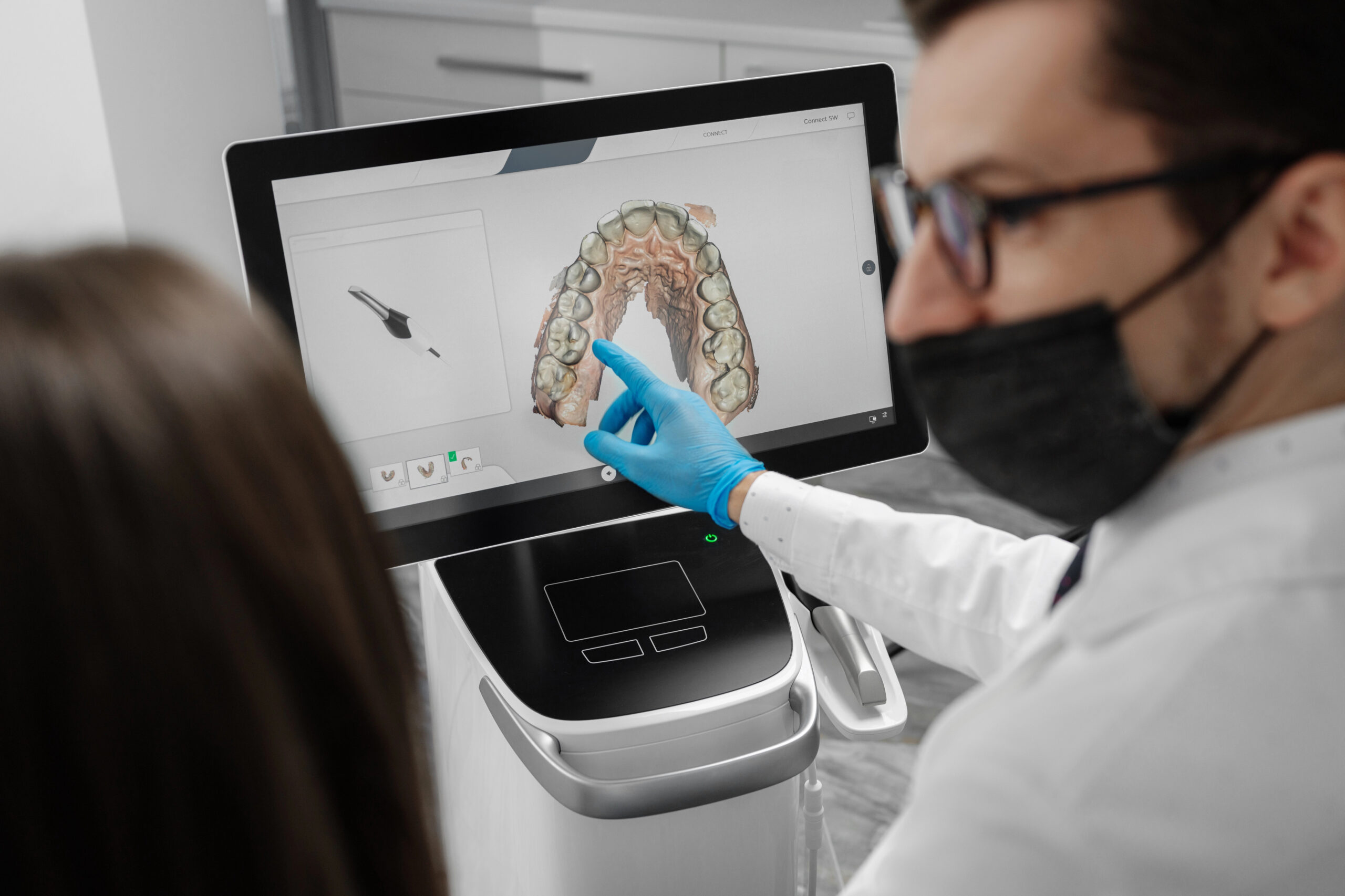
This state-of-the-art framework converts initial photographic data and intraoral scans into an exact three-dimensional virtual model. Dentists can systematically adjust individual dental variables on screen, testing variations in tooth proportion, inclination, and position prior to commencing any physical alterations. Because the final outcome is digitally locked into the system, the manufacturing laboratory can replicate the approved dimensions with exceptional accuracy using advanced computer-aided manufacturing systems. This tight integration effectively eliminates guesswork, drastically reduces the necessity for mid-treatment adjustments, and ensures that the final clinical delivery mirrors the initial digital proposal exactly, giving patients total peace of mind throughout their treatment.

Redefining the Patient Journey with Immersive Digital Mock-Ups

The psychological impact of undergoing a major smile transformation can be significant, particularly when individuals feel uncertain about how cosmetic modifications will alter their overall appearance. The integration of advanced digital tools often centers on the patient experience, transforming a traditionally passive process into an active, collaborative journey. By allowing patients to view high-resolution, side-by-side visual simulations of their potential results early in the diagnostic phase, clinicians can easily alleviate common anxieties related to elective procedures.

Beyond providing clear on-screen visualisations, this technology enables the fabrication of physical, temporary mock-ups that can be non-destructively placed directly over the patient’s existing teeth. This unique trial phase allows individuals to physically experience their proposed smile in real-time, assessing its function, phonetics, and overall look before committing to any permanent changes. Empowering patients to provide direct feedback during this preliminary stage fosters a deep sense of ownership and confidence, ultimately leading to highly successful outcomes, minimised revision rates, and exceptionally high patient satisfaction rates across modern clinical practices. This absolute calibration of tech and art ensures that the dream of a beautiful, healthy, and functional smile is fully realised.
smile makeover

Smile Makeovers and Modern Crowns: A Lifestyle Upgrade Worth Considering

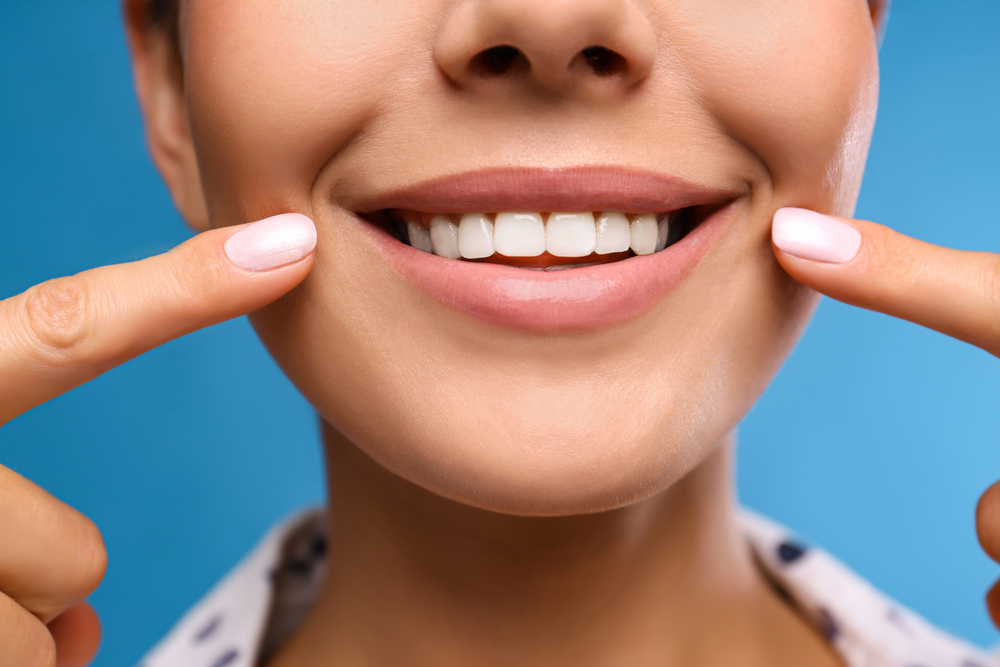
A great smile is often the first thing people notice, serving as an instant reflection of confidence, health, and vitality. However, structural damage, discolouration, or missing teeth can cause many Australians to hold back their laughter or cover their mouths during casual conversations. Fortunately, cosmetic dentistry has progressed significantly over recent decades, moving far beyond basic oral health maintenance. Today, a complete smile makeover functions as a genuine lifestyle upgrade, blending advanced clinical science with meticulous artistry to restore both your oral function and your personal self-esteem.

The True Impact of a Smile Makeover

A smile makeover is not a rigid, one-size-fits-all package; instead, it represents a highly tailored treatment plan designed to address your unique dental goals. Clinicians carefully evaluate multiple facial features—including your lip line, skin tone, gum tissue, and the symmetry of your natural teeth—to craft a harmonious appearance. Depending on your personal needs, a makeover might combine professional teeth whitening, alignment corrections, and subtle contouring.

By fixing chips, closing unwanted gaps, and masking deep intrinsic stains, this comprehensive process does more than just enhance your appearance. It fundamentally alters how you present yourself to the world, providing a substantial boost to your professional and social interactions. Patients often report a renewed sense of confidence in boardroom meetings, social gatherings, and everyday face-to-face encounters, proving that the benefits of modern cosmetic work extend well past the dental chair.

Redefining Your Smile with Modern Dental Crowns

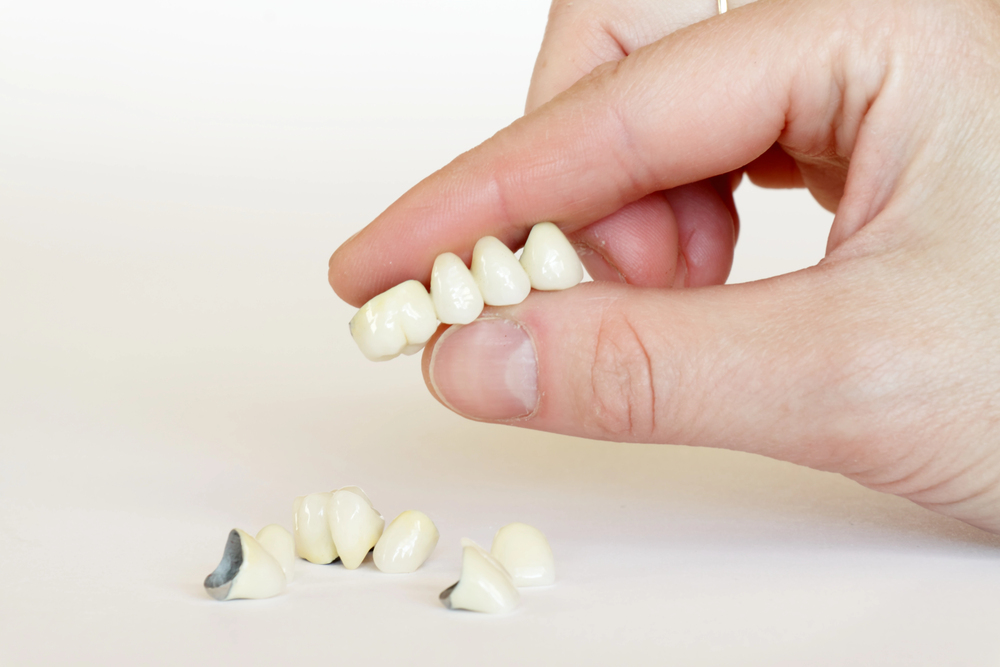
When individual teeth suffer from extensive decay, large failing fillings, or fractures, surface-level cosmetic treatments may not offer enough support. This is where modern dental crowns play an indispensable role in your smile makeover. Unlike old-fashioned caps that frequently appeared bulky, opaque, or artificial, today’s crowns are designed to blend seamlessly into your arch.

Understanding what makes contemporary dental crowns look more natural requires a closer look at the advanced materials used in modern clinics. High-grade dental ceramics, such as zirconia and lithium disilicate, possess unique optical properties that mimic the translucency of natural enamel. Light travels through these innovative materials and reflects off the underlying tooth structure exactly like real teeth, completely eliminating the dull, chalky look of the past. Furthermore, modern porcelain-fused-to-zirconia designs completely remove the unsightly dark metal margins that used to appear near the gumline over time.

The Vital Intersection of Function and Daily Comfort

Investing in a smile makeover offers benefits that extend far beyond pure aesthetics. When teeth are chipped, misaligned, or structurally weakened, your everyday quality of life can quietly decline. Compromised teeth can cause chronic discomfort, limit your dietary choices, and lead to poor chewing habits that strain your jaw joints.

By placing structurally sound porcelain crowns, your dentist fully restores the proper biting mechanics of your mouth. This means you can comfortably enjoy your favourite nutritional foods without sudden pain or hesitation. Additionally, modern restorative materials are highly biocompatible, meaning they are exceptionally gentle on the surrounding delicate gum tissues. This significantly minimises local irritation and reduces the long-term risk of plaque accumulation, making your daily brushing and flossing routines much more effective and comfortable.

Longevity, Durability, and Precision Craftship

A common concern for patients considering major cosmetic dental work is the long-term durability of the materials. Modern dental crowns are built to endure the substantial, everyday forces of chewing and biting. With routine preventive care and excellent home hygiene, these premium restorations can easily last for many years.

This impressive longevity is achieved through state-of-the-art digital dentistry. Using precise intraoral scanners, clinicians capture highly accurate three-dimensional digital impressions of your mouth, completely eliminating the need for messy, uncomfortable traditional impression pastes. Advanced computer-aided design and manufacturing software then allows dental laboratories to mill your custom crown with incredible micro-level accuracy. This highly precise fit ensures a tight, protective seal over your remaining natural tooth structure, successfully keeping harmful bacteria out and ensuring your restored smile remains stable and healthy.

Embracing a Brilliant and Healthier Future

Opting for a smile makeover is a meaningful decision to prioritise your long-term health, wellness, and self-confidence. Modern cosmetic dentistry provides a predictable, highly effective path to achieving a radiant smile that feels completely authentic to who you are. It is fascinating to realize that dental care has transformed over 9,000 years into the gentle, precise, and highly aesthetic medical discipline we benefit from today. Embracing these advanced restorative solutions allows you to protect your long-term oral health while unlocking a bright, natural-looking smile that you will be proud to share for years to come.

dental crowns

Modern Dental Crowns: The Technology Behind Stronger and Longer-Lasting Smiles

For decades, getting a dental crown was a waiting game that many Australians dreaded. It typically involved multiple appointments, uncomfortable mouthfuls of gooey impression putty, and a fragile temporary crown that seemed to pop off at the most inconvenient moments. If a tooth was severely cracked or weakened by decay, undergoing this drawn-out process was simply the price you paid to save your smile.

Fortunately, the field of restorative dentistry has undergone a massive digital transformation. Today’s dental crowns bear little resemblance to the restorations of the past. Driven by breakthroughs in material science and computer-aided engineering, modern crowns offer vastly superior strength, incredibly lifelike aesthetics, and unprecedented convenience for patients across Australia.

The Evolution of Advanced Dental Materials

One of the biggest technological leaps in modern crown manufacturing is the shift away from traditional porcelain-fused-to-metal (PFM) designs. While PFMs served patients well for years, they frequently left a telltale dark metallic line along the gumline as the gums naturally receded over time. They were also prone to chipping under heavy biting forces.

Modern dentistry relies heavily on advanced, biocompatible ceramics like lithium disilicate and monolithic zirconia. Zirconia, often dubbed “ceramic steel,” possesses extraordinary fracture toughness. It can withstand the intense chewing pressures of back molars without requiring a metal substructure. For highly visible front teeth, lithium disilicate offers an ideal blend of durability and translucency, mimicking the way natural tooth enamel reflects light. Because these materials are bio-inert, they minimise the risk of tissue irritation or allergic reactions in the mouth.

Digital Impressions and 3D Imaging

The days of biting into cold, foul-tasting impression trays are rapidly fading. Modern dental clinics utilise intraoral scanners to capture thousands of high-definition images of a patient’s mouth within seconds. This optical scanning technology creates a highly accurate, three-dimensional digital model of the prepared tooth and surrounding structures.

This digital approach completely eliminates the human error inherent in traditional plaster models, which can warp or shrink during setting. By capturing the exact contours of the bite and the precise margins of the prepared tooth, 3D imaging ensures that the final crown fits snugly. A precise fit is crucial for long-term success, as it seals out harmful bacteria and minimises the risk of secondary decay developing beneath the restoration.

The Rise of Same-Day CAD/CAM Technology

Perhaps the most exciting milestone in modern restorative care is the integration of Computer-Aided Design and Computer-Aided Manufacturing (CAD/CAM). Instead of sending a physical model to an external dental laboratory and waiting weeks for production, dentists can now design and manufacture custom restorations right by the chairside.

By understanding the technology behind today’s CEREC same-day crown experience, patients can appreciate how seamlessly data travels from a digital scanner to an on-site milling machine. The software allows the dentist to customise the crown’s shape, grooves, and biting surface to perfectly match the patient’s existing dentition. Once the design is finalised, a high-speed milling unit meticulously carves the crown from a solid block of high-grade ceramic or zirconia in less than an hour. The crown is then polished, characterised to match the shade of adjacent teeth, and permanently bonded in a single visit.

Enhanced Bonding and Longevity

The technological improvements extend to how the crown is secured to the tooth. Older dental cements acted merely as a mechanical wedge to hold a crown in place. Modern clinical practices utilise advanced resin-bonding agents that create a powerful chemical bond between the tooth structure and the ceramic material.

This adhesive technology essentially fuses the crown to the remaining natural tooth, distributing biting forces evenly and significantly reducing the risk of structural failure. When combined with the inherent strength of materials like zirconia, these modern crowns easily last fifteen to twenty years or longer with proper oral hygiene and regular dental check-ups.

Smart Choices for Restorative Care

While these technological advancements provide unparalleled convenience and durability, navigating the financial aspect of advanced dental care can occasionally feel overwhelming for Australian families. High-tech treatments represent a significant upfront investment in your long-term health, but it is important to remember that you don’t need to compromise on quality to save money. By exploring flexible financing options, utilising private health insurance rebates, or opting for single-visit treatments that eliminate the need for temporary restorations and multiple consultations, achieving a resilient and beautifully restored smile is more accessible than ever before.