
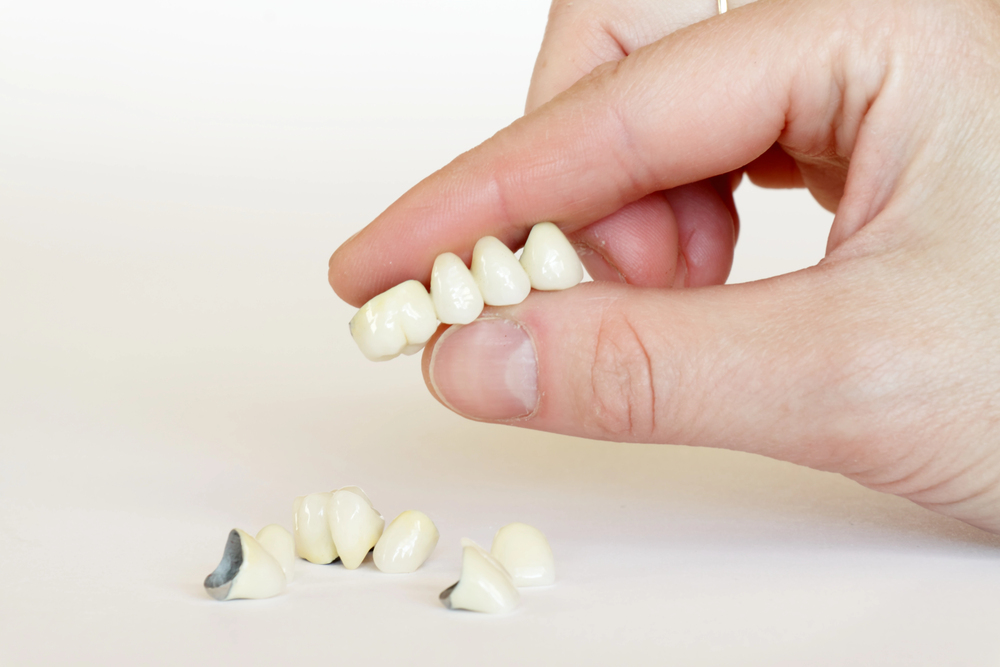
For decades, getting a dental crown was a waiting game that many Australians dreaded. It typically involved multiple appointments, uncomfortable mouthfuls of gooey impression putty, and a fragile temporary crown that seemed to pop off at the most inconvenient moments. If a tooth was severely cracked or weakened by decay, undergoing this drawn-out process was simply the price you paid to save your smile.
Fortunately, the field of restorative dentistry has undergone a massive digital transformation. Today’s dental crowns bear little resemblance to the restorations of the past. Driven by breakthroughs in material science and computer-aided engineering, modern crowns offer vastly superior strength, incredibly lifelike aesthetics, and unprecedented convenience for patients across Australia.
The Evolution of Advanced Dental Materials
One of the biggest technological leaps in modern crown manufacturing is the shift away from traditional porcelain-fused-to-metal (PFM) designs. While PFMs served patients well for years, they frequently left a telltale dark metallic line along the gumline as the gums naturally receded over time. They were also prone to chipping under heavy biting forces.
Modern dentistry relies heavily on advanced, biocompatible ceramics like lithium disilicate and monolithic zirconia. Zirconia, often dubbed “ceramic steel,” possesses extraordinary fracture toughness. It can withstand the intense chewing pressures of back molars without requiring a metal substructure. For highly visible front teeth, lithium disilicate offers an ideal blend of durability and translucency, mimicking the way natural tooth enamel reflects light. Because these materials are bio-inert, they minimise the risk of tissue irritation or allergic reactions in the mouth.
Digital Impressions and 3D Imaging
The days of biting into cold, foul-tasting impression trays are rapidly fading. Modern dental clinics utilise intraoral scanners to capture thousands of high-definition images of a patient’s mouth within seconds. This optical scanning technology creates a highly accurate, three-dimensional digital model of the prepared tooth and surrounding structures.
This digital approach completely eliminates the human error inherent in traditional plaster models, which can warp or shrink during setting. By capturing the exact contours of the bite and the precise margins of the prepared tooth, 3D imaging ensures that the final crown fits snugly. A precise fit is crucial for long-term success, as it seals out harmful bacteria and minimises the risk of secondary decay developing beneath the restoration.
The Rise of Same-Day CAD/CAM Technology
Perhaps the most exciting milestone in modern restorative care is the integration of Computer-Aided Design and Computer-Aided Manufacturing (CAD/CAM). Instead of sending a physical model to an external dental laboratory and waiting weeks for production, dentists can now design and manufacture custom restorations right by the chairside.
By understanding the technology behind today’s CEREC same-day crown experience, patients can appreciate how seamlessly data travels from a digital scanner to an on-site milling machine. The software allows the dentist to customise the crown’s shape, grooves, and biting surface to perfectly match the patient’s existing dentition. Once the design is finalised, a high-speed milling unit meticulously carves the crown from a solid block of high-grade ceramic or zirconia in less than an hour. The crown is then polished, characterised to match the shade of adjacent teeth, and permanently bonded in a single visit.
Enhanced Bonding and Longevity
The technological improvements extend to how the crown is secured to the tooth. Older dental cements acted merely as a mechanical wedge to hold a crown in place. Modern clinical practices utilise advanced resin-bonding agents that create a powerful chemical bond between the tooth structure and the ceramic material.
This adhesive technology essentially fuses the crown to the remaining natural tooth, distributing biting forces evenly and significantly reducing the risk of structural failure. When combined with the inherent strength of materials like zirconia, these modern crowns easily last fifteen to twenty years or longer with proper oral hygiene and regular dental check-ups.
Smart Choices for Restorative Care
While these technological advancements provide unparalleled convenience and durability, navigating the financial aspect of advanced dental care can occasionally feel overwhelming for Australian families. High-tech treatments represent a significant upfront investment in your long-term health, but it is important to remember that you don’t need to compromise on quality to save money. By exploring flexible financing options, utilising private health insurance rebates, or opting for single-visit treatments that eliminate the need for temporary restorations and multiple consultations, achieving a resilient and beautifully restored smile is more accessible than ever before.