
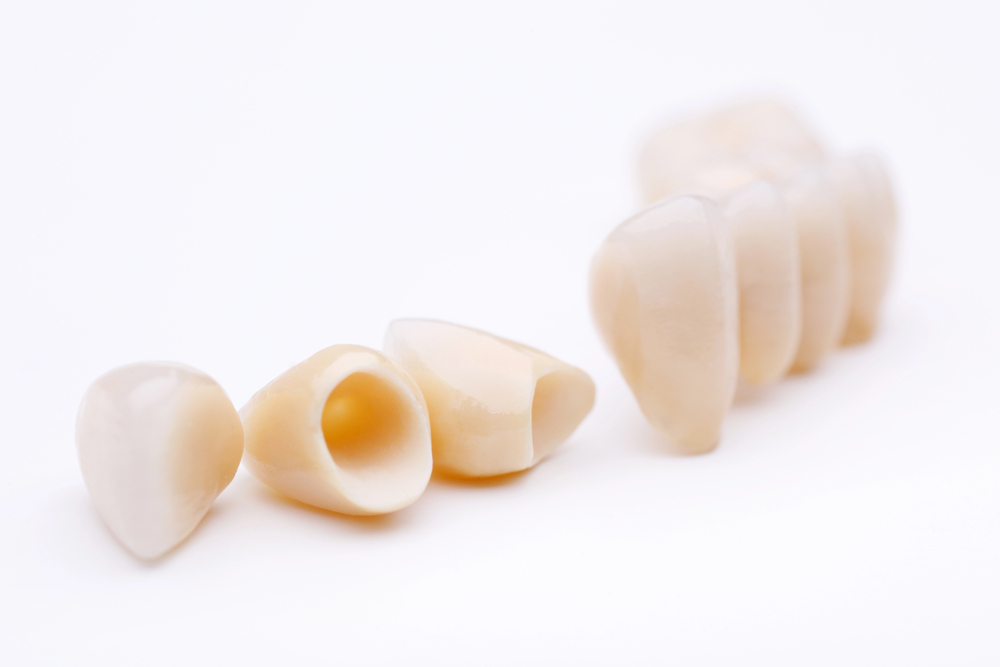
Maintaining a healthy, confident smile often requires more than just regular brushing; it requires structural support when a tooth becomes compromised. Dental crowns are among the most reliable solutions in modern restorative dentistry, acting as a custom-fitted “cap” that encases a damaged tooth to restore its shape, size, and strength. Whether you are recovering from a root canal or protecting a weakened molar, a crown is a long-term investment in your oral health.
The Purpose and Function of Dental Crowns
A dental crown is essentially a protective suit of armour for a tooth. When a tooth is severely decayed, cracked, or has a large filling that no longer provides enough support, the structural integrity is at risk. By fitting a crown, a dentist can prevent the tooth from fracturing further, which often saves the patient from more invasive and expensive procedures like extractions or dental implants.
In Australia, patients can choose from various materials, including high-grade dental porcelain, zirconia, or gold alloys. Porcelain and ceramic options are particularly popular for front teeth because they can be colour-matched to the surrounding dentition, ensuring the restoration looks completely natural. Zirconia is frequently used for molars because of its incredible durability and resistance to the heavy pressure of chewing.
Longevity Through Expert Care
While a crown is made of artificial materials, the underlying tooth and the surrounding gum tissue are still susceptible to disease. The average lifespan of a crown typically ranges from 10 to 15 years, but with meticulous care, many Australians find their restorations lasting upwards of two decades.
To achieve this longevity, experts recommend a soft-bristled toothbrush and non-abrasive fluoride toothpaste. It is a common misconception that because the crown cannot decay, oral hygiene can be relaxed. In reality, the “margin”—the area where the crown meets the natural tooth—is a prime spot for plaque accumulation. If decay develops at this junction, the entire restoration can fail. Daily flossing and the use of interdental brushes are non-negotiable for keeping these margins clean.
Protecting Your Investment
Beyond hygiene, your daily habits play a significant role in the survival of your crown. Dentists often see crown failures caused by “lifestyle trauma.” This includes using teeth as tools to open packages, biting into ice, or chewing on hard pens. For those who suffer from bruxism (teeth grinding) at night, a custom-fitted occlusal splint or nightguard is essential. The immense pressure generated by grinding can cause even the strongest ceramic crowns to chip or delaminate over time.
Dietary choices also matter. While you don’t need to live on a soft-food diet, being mindful of extremely sticky lollies or hard nuts can prevent the crown from being dislodged or fractured. If a crown ever feels loose or “high” when you bite down, it is vital to see your clinician immediately to have the fit adjusted.
Quality Over Cost: A Strategic Choice
When looking at restorative options, many patients are tempted to shop around for the lowest possible price. However, there is a significant difference between a “cheap” fix and a high-quality restoration. It is essential to focus on understanding value vs price in the cost of dental crown. A lower upfront price may reflect the use of budget laboratories or inferior materials that are more prone to irritation and early failure.
Investing in a premium crown means paying for precision. Modern clinics often use 3D digital scanners to ensure a perfect fit, which reduces the risk of bacterial leakage and gum inflammation. When you consider the cost spread over 15 years, a high-quality crown often proves to be the most economical choice compared to a budget version that requires replacement every few years.
Professional Maintenance and Monitoring
Regular dental check-ups are the final piece of the puzzle. During a professional clean, your dentist or hygienist will inspect the integrity of the crown and the health of the supporting bone and gums. Early detection of a small issue, such as a slight recession of the gum line, can be managed before it turns into a major complication.
In today’s hyper-competitive dental market, clinicians who prioritise superior craftsmanship and patient education tend to deliver the best long-term outcomes. By choosing a provider who values quality and following a dedicated home-care routine, you can ensure your dental crown remains a functional and beautiful part of your smile for many years to come.